Confirm That the Flooring Is Linoleum
Record the manufacturer and product code, gauge and backing. Linoleum sheet is not a PVC sheet with a different colour; its fitting, adhesive and seam treatment must follow its own guide. This page concerns sheet fitting and pressing, not click linoleum panels or furniture linoleum. Confirm the installed direction, substrate acceptance and adhesive method before cutting. Identify end curl or roll-set handling requirements in the material instructions rather than borrowing a vinyl forming technique.
Make the Cut from the Correct Reference
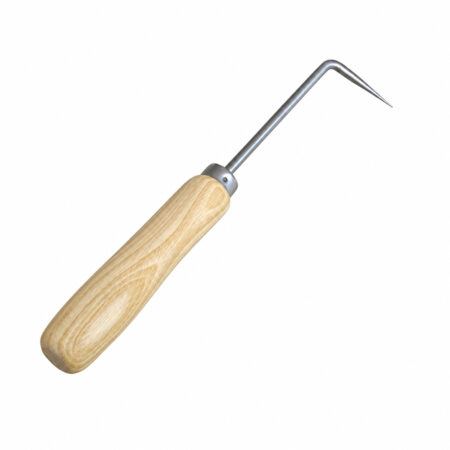
Flooring Rulers support the layout and reference line. The Hook Knife is a candidate for completing a prepared line and making the specified fitting cut. The Seam Cutting Knife serves the final meeting edge only when its geometry suits the material's seam procedure. Confirm how the line is marked and how the tool follows it. A badly supported cut, damaged blade or wrong angle can produce an edge that looks straight from above but does not meet correctly through its thickness.
Check the Perimeter Tool Before Repeating the Cut
Check where the Wall Edge Trimmer's guide bears, how it supports the sheet and whether its blade has been evaluated on your linoleum and backing. Use a representative offcut at the actual wall detail. Inspect the underside and cut face as well as the visible edge. Stop if the tool distorts or tears the material, then review blade geometry, support and the required cutting method before repeating the perimeter cut.
Choose Whole Area and Restricted Area Pressing
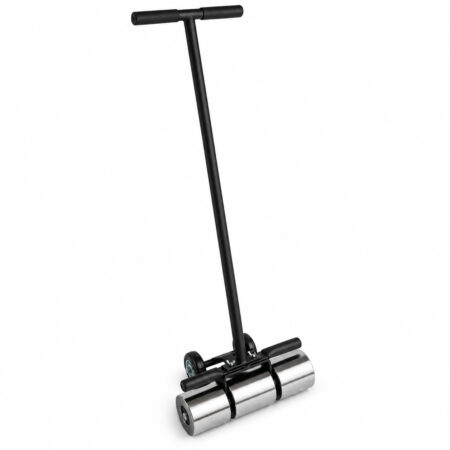
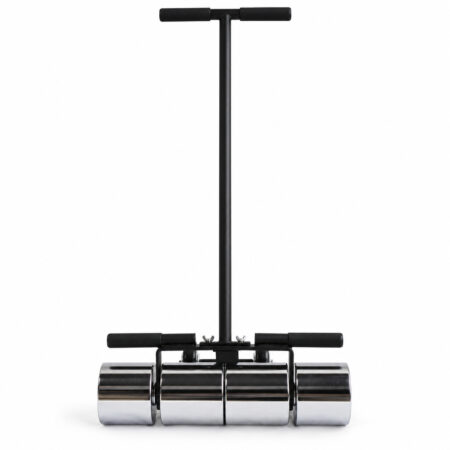
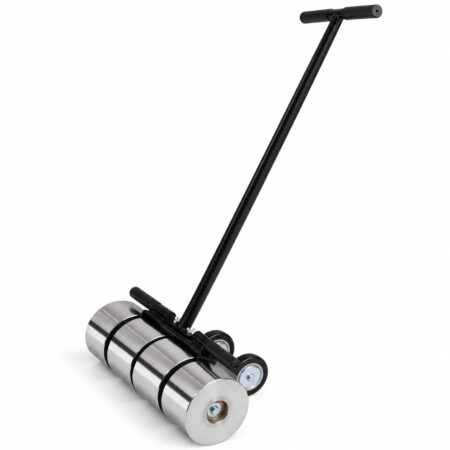
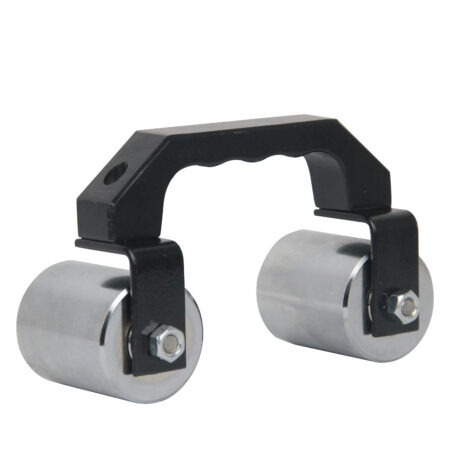
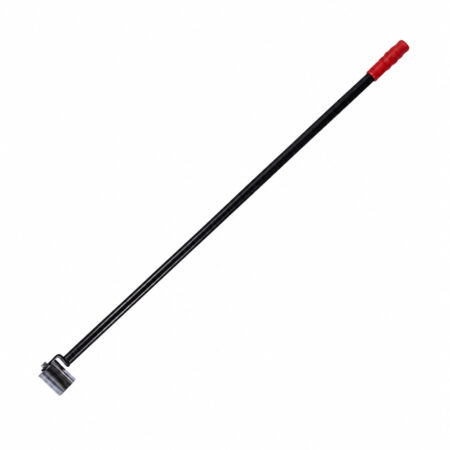
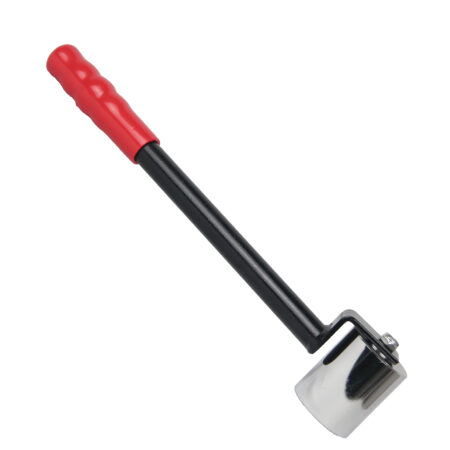
Choose the 30 kg, 50 kg or 80 kg Heavy Floor Roller against the required working weight. Check the actual load, width and reach of the Single Roller, Double Roller and Long Handle options. At seams and restricted edges, confirm the prescribed contact material: some linoleum instructions require steel rollers. Check the plastic and rubber Hand Pressure Rollers against that requirement. Cork Rubbing Boards serve permitted local rubbing; neither family automatically replaces the specified rolling method.
Follow the Linoleum Fitting Sequence
Plan the sheets, prepare the factory edge and fit the wall detail. Work with manageable sections and place the material according to the adhesive requirements. Form and press the seam with the named material's method, while dealing with end behaviour at the specified stage. Forbo's current Marmoleum sheet instructions describe conventional fitted joints without gaps or fullness. An oversized joint can peak; an open joint can collect contamination. Do not force neighbouring sheets together to conceal a cutting error.
Decide Whether the Project Requires Welding
Forbo's net-fit guidance explains that many Marmoleum installations do not require a welding cord, while a project or local requirement may prescribe it. Where welding is required, use linoleum-specific material and preparation instructions rather than PVC fusion assumptions. The welding equipment is not added to this page's tool list. Seam Probes are conditional aids only if the accepted checking procedure allows them; do not probe an ordinary fitted joint as though it were a welded vinyl seam.
Investigate Peaking, Gaps and Lifted Ends
A peaked seam needs review of fullness, cutting and material movement. A gap needs review of the fitted line and sheet position. A lifted end needs assessment of material tension, adhesive contact and the end treatment. Visible pressing marks require review of tool contact and surface protection. Pause on a failed sample and record the defect before applying more pressure or enlarging the cut. Neither welding nor additional rubbing should be assumed to repair a flawed fitted installation.
Evaluate Tools and Identify Their Parts
Use the actual linoleum for a sample fitted joint, wall cut and restricted pressing area. Inspect the meeting edges without forcing them, check end contact by the accepted method and photograph the cut faces. Record the tool and blade used. For the enquiry, identify blade profile and holder, roller weight and head dimensions, included components and replacements. Supply an existing tool label when requesting parts; matching a family name does not establish interchangeability.
Obtenha sua cotação agora
- Entre em contato conosco para obter sua cotação personalizada.
- Economize mais com nossos preços diretos!
- Preços competitivos no atacado.
- Sem intermediários, melhores negócios.