
How to Choose Vinyl Cutting Tools
Browse This Page
Choose for the Cut You Need
Start with the flooring construction, then identify the cut: sizing, seam, perimeter, cove or strip. Select a tool that controls that cut and confirm it on the actual material. A tool that sizes a plank is not automatically the tool that finishes a fitted sheet seam.
| Selection point | What to check |
|---|---|
| Straight cut | Follow a measured reference |
| Seam cut | Form the required joint |
| Edge detail | Check access at the finish |
Start with the Cut, Then the Tool
Write down five details before comparing tools: the flooring product, whether it is sheet or rigid plank, the thickness and backing, the cut location, and whether the cut is repeated. A tool that makes a straight loose-sheet cut may be awkward at an inside corner. A seam cutter also needs a prepared reference edge. Name the task precisely: rough sizing, final fitting, seam cutting, wall trimming, cove trimming or producing a strip. These tasks lead to different shortlists.
Straight Cutting or Guided Push Cutting?
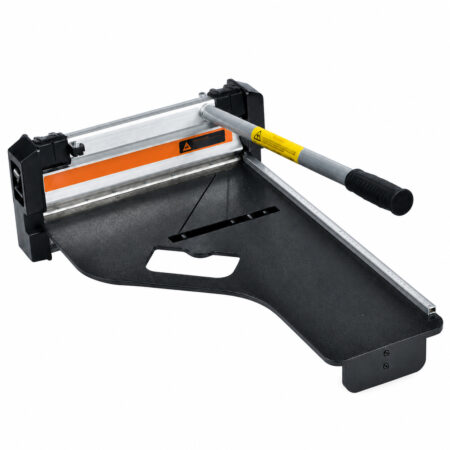
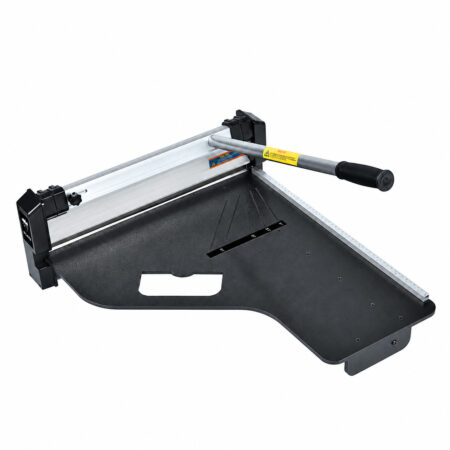
Choose a knife with a stable Flooring Ruler when you need flexible layout cuts and can support the sheet safely. A Hook Knife can suit a controlled finishing cut where its approved blade can enter the material without scoring the visible surface. Consider Large Push Cutting Tool ou Small Push Cutting Tool for repeated guided cuts after checking their actual guide, clearance and permitted material range. The names large and small do not establish capacity. Compare a full cut on your own sheet, including the start and finish.
| Selection point | What to check |
|---|---|
| Knife and ruler | Maintain the reference edge |
| Guided push cut | Check the actual guide |
| Material support | Prevent movement during the pass |


Choose a Seam Tool for a Seam
Consider Seam Cutting Knife when the job is to follow a prepared adjacent sheet edge and produce the joint specified by the flooring maker. Check whether the tool is intended for overlap cutting, guided edge trimming or another method. These are different setups. A straight cut that looks tidy on a bench may still give a joint that is too tight, too open or uneven after fitting. Inspect both edges with the sheets relaxed in place before deciding which tool gives the required seam.

Wall Edges, Coves and Corners Need Access
Choose Wall Edge Trimmer for its documented wall-following task and Cove Trimmer for the documented upstand or cove arrangement. Use Triangular Flooring Squares for corner marking and cutting references, with a separate suitable knife or cutter to make the cut. Check the start clearance, internal and external corners, transitions and the last part of a cut. A wall tool may depend on the wall as a guide, so an uneven wall can affect the result. Review the guide contact and cutting access as well as the grip.
| Selection point | What to check |
|---|---|
| Wall edge | Check the wall reference |
| Cove detail | Follow the permitted curve |
| Corner access | Reach the finishing point |


Strip Cutting and the Floor Cutter Have Boundaries
Consider PVC Strip Cutters when you need consistent strips and the tool can reference the sheet correctly. Check usable strip range, guide stability, offcut exit and edge quality on the actual material. Vinyl Floor Cutter should be considered only after its documented material, blade travel and cut capacity match your job. Its documented scope must match the material; not every sheet, tile or rigid core product can be cut with the same blade and mechanism. Keep support rulers in the shortlist as measuring and guiding tools, rather than cutting machines.
| Selection point | What to check |
|---|---|
| Strip task | Check feed and width control |
| Floor cutter | Verify its approved material range |
| Sample support | Keep the workpiece stable |


Two Cutting Methods to Compare
Crain’s wall-trimmer instructions explain a wall reference and dedicated blade. Forbo’s Eternal guide separates straightedge cutting from seam forming. Compare the guide contact and finished edge for each task.
Compare a Sample Cut Before Ordering
Use offcuts from the proposed floor and record the tool identity, blade identity and setup. Compare edge squareness, visible scratching, backing tears, ease of starting, and control near the end. Photograph both the face and backing beside a ruler. Include the difficult detail, such as a doorway or curved edge, rather than testing only the easiest straight run. Reject a setup that needs uncontrolled force or lets the sheet move. Keep the acceptable sample and its tool reference together.
Build a Task-Based Tool List
A useful cutting kit is the shortest list that covers the planned cuts, guides and confirmed spare blades. Check which items are included with each tool and which are separate. For repeat work, record the blade code as carefully as the tool code. Send the material details, cut examples, selected products and quantities with your enquiry. For distributor ranges, describe the customer’s common tasks so the offer can distinguish a basic fitting set from the specialist tools that should be sold conditionally.
Related Products and Guides
Perguntas frequentes
Can one vinyl cutter do every cut?
Only if its documented working method and capacity cover every task. Wall, cove, seam and strip cuts often require different guide arrangements.
How should I test a cutter before ordering?
Use the actual flooring construction and the proposed sizing, seam or fitting cut. Check access, guidance, the cut edge and backing, then the fit in the intended detail. Keep the tool, blade and labelled sample together in the enquiry.
Are large and small push tools a capacity rating?
No. Compare the actual working dimensions, blade and guide mechanism. The family names alone cannot establish which material each tool can cut.
What information do you need for a wholesale quotation?
Send the product names or models, configurations, quantities and delivery destination. You can include mixing buckets, spreaders, spiked rollers and shoes in the same enquiry. The applicable quantity tier, packing details and order conditions will be reviewed for the selected items.
Can you customize the logo or packaging?
Send your logo artwork, preferred placement, packaging requirements and estimated order quantity. ARIK will review the available options for the selected tools and confirm the sample requirements, order conditions and quotation before production.
Can I request samples before a bulk order?
Include the models and configurations you want to evaluate, the intended application and the delivery destination in your enquiry. Sample availability, cost and shipping arrangements need to be confirmed for the selected items before an order is placed.
Obtenha sua cotação agora
- Entre em contato conosco para obter sua cotação personalizada.
- Economize mais com nossos preços diretos!
- Preços competitivos no atacado.
- Sem intermediários, melhores negócios.

