
Browse This Page
Start with the Material, Surface and Layer
Identify the named material and whether it is being spread on a smooth surface, a broadcast surface or a local detail. Check the specified blade face and finishing method for that layer. Sika’s Sikafloor-264 instructions distinguish notched and flat squeegee applications. Use the same three questions for selection: what material, what surface and what layer must the tool place?
| Selection point | What to check |
|---|---|
| Matériau | Identify the exact applied product. |
| Surface condition | Record smooth, broadcast or local conditions. |
| Layer | Identify the layer being placed. |
| Specified blade face | Check the face required by the procedure. |

Compare the Head Before the Handle
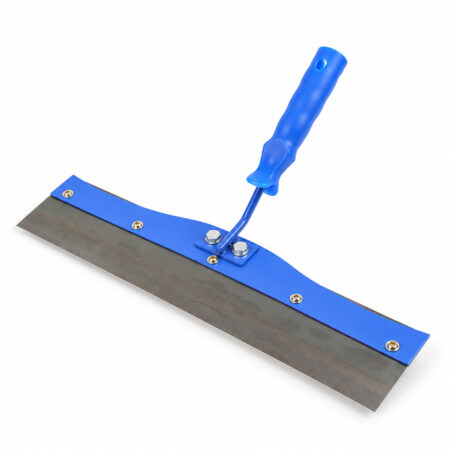
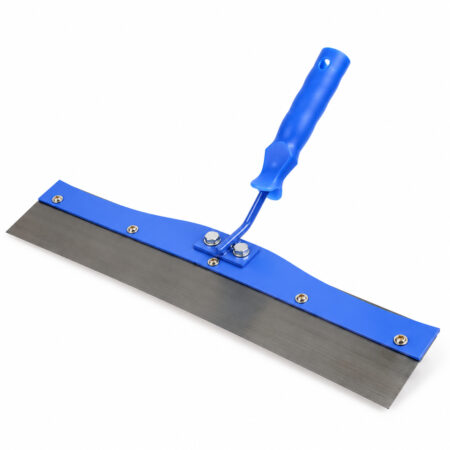
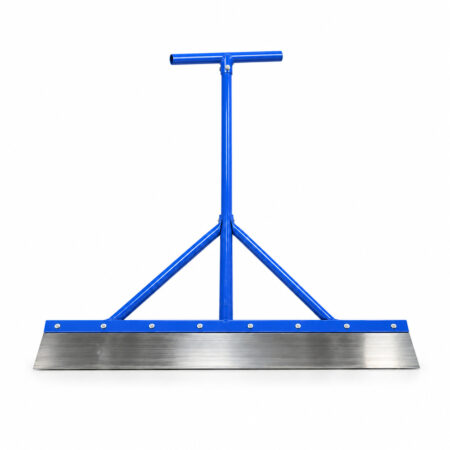
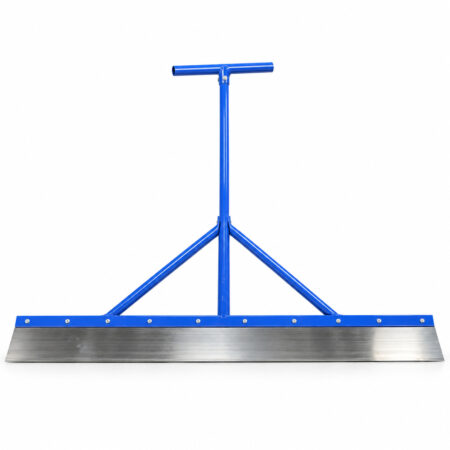
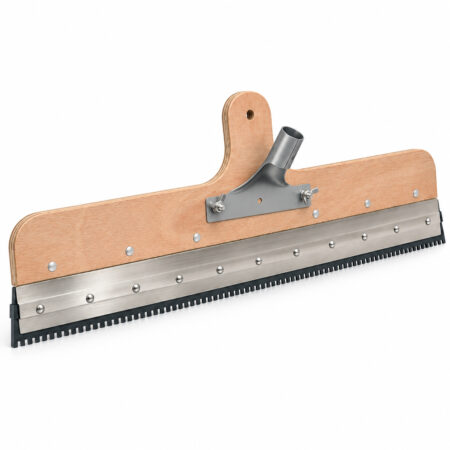
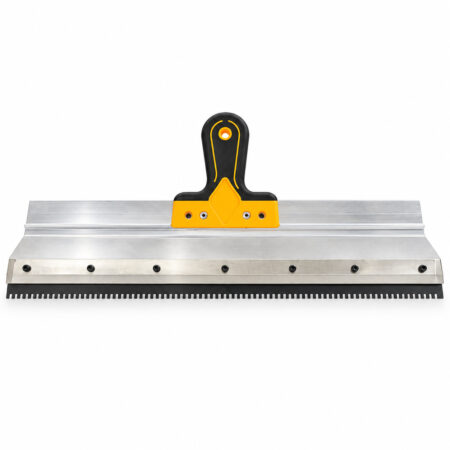
Pour Wood Handle Squeegee et Plastic Handle Squeegee, inspect the actual working head, blade holder and grip. Review Hand Spreading Tool for the local area its form can reach. Check the end of a pass at walls and obstacles as well as the open middle. The handle material does not determine thickness, chemical resistance or the ability to complete every spreading task.

Separate Moving Material from Finishing It
A tool that distributes material is not automatically the finishing tool required by the system. ARDEX’s 2021 K 40 RAPID guide separates the spreader from the smoother in its application sequence. Determine whether your method requires gauged placement, smoothing, rolling or a combination. Keep each action within the material’s working window and review the chosen head for that specific role.
Match the Blade to the Actual Holder
Pour Squeegee Blades, provide the host head, full blade outline, width, thickness and mounting pattern. Confirm that the blade seats and is retained correctly along the working edge. Then check its face against the material’s application method. Physical fit and a suitable working profile are separate requirements; a blade that slides into a holder does not establish the right layer on the floor.
Check the Placed Layer and Tool Marks
Check the placed layer using the material’s prescribed method rather than equating notch height with finished thickness. Review drag marks, local ridges and the closing of tool marks within the allowed working window. Keep the substrate condition and blade angle with the observation. If a roller is part of the material procedure, treat it as that separate finishing action rather than a correction for an unsuitable spreading setup.
Request the Head and Blade Together
Send the material, surface condition, intended layer and tool quantity. State the blade face you need and attach full-head and mounting photographs for an existing tool. Add the cleaning method required by the material so blade and head suitability can be reviewed. Include any conditional roller separately. The enquiry should identify the tool, replacement and application instead of only asking for a wood or plastic handle.
Related Products and Guides
Questions fréquemment posées
Does notch height identify the finished layer thickness?
Check the placed layer with the method specified by the material supplier. Blade geometry, substrate condition and tool handling are application conditions rather than a complete finished-thickness measurement. Record the blade face and required finishing action with the trial.
Can I use one head for different materials?
Review each material, layer and permitted blade face separately. Check the head and blade's confirmed suitability, mounting and required cleaning method. A tool used successfully for one cement or resin layer does not by itself establish approval for another application.
What is needed for a replacement Squeegee Blade?
Send the full host head and holder photographs, blade outline, width, thickness and mounting details. Identify the intended material and working profile as well. Review physical retention separately from the blade face needed to place or finish the layer.
What information do you need for a wholesale quotation?
Send the product names or models, configurations, quantities and delivery destination. You can include mixing buckets, spreaders, spiked rollers and shoes in the same enquiry. The applicable quantity tier, packing details and order conditions will be reviewed for the selected items.
Can you customize the logo or packaging?
Send your logo artwork, preferred placement, packaging requirements and estimated order quantity. ARIK will review the available options for the selected tools and confirm the sample requirements, order conditions and quotation before production.
Can I request samples before a bulk order?
Include the models and configurations you want to evaluate, the intended application and the delivery destination in your enquiry. Sample availability, cost and shipping arrangements need to be confirmed for the selected items before an order is placed.
Obtenez votre devis maintenant
- Contactez-nous pour un devis personnalisé.
- Économisez davantage grâce à nos prix directs !
- Prix de gros compétitifs.
- Pas d'intermédiaire, de meilleures offres.

