
Industrial Floor Line Marking Tools
Browse This Page
Begin with the Facility's Approved Plan
Identify the area being marked: pedestrian aisle, vehicle route, equipment bay, storage boundary or parking space. Obtain the facility's approved layout, colours, widths and traffic arrangements. Resolve conflicts with doors, machinery access and turning paths before painting. The tool does not decide those requirements. Marking a visually straight line is only useful when its location serves the actual operation. Specify how completed zones will be checked and released for use under the project plan.
Identify Concrete and Existing Floor Coatings
Record the substrate, any existing epoxy or other finish, contamination and condition. Choose a marking paint that is specified for that surface and intended service. Rust-Oleum's traffic and zone paint bulletin gives preparation and application requirements for its named product. Those conditions do not make every industrial paint suitable for every floor. Where coating is loose, dirty or incompatible, resolve the surface problem before laying masking. Tape adhesion alone is not evidence that paint will bond.
| Selection point | What to check |
|---|---|
| Surface condition | Record contamination, texture and damage. |
| Existing coating | Identify any epoxy or other existing finish. |
| Selected paint | Choose a product specified for that surface. |
| Preparation | Resolve loose or incompatible layers first. |
Use Rulers for Offsets and Paint Gaps
Flooring Rulers can help check local offsets, line gaps and short reference sections. Confirm the ruler's length, scale and straightness; choose appropriate layout equipment for longer facility references. Measure the open space between masking edges that will receive paint, rather than assuming it equals the tape width. Verify the drawing's reference point and whether dimensions refer to edges or centres. Repeat checks at intersections and changes of direction before committing an entire aisle to paint.

Choose Straight Tape Layout for Aisles
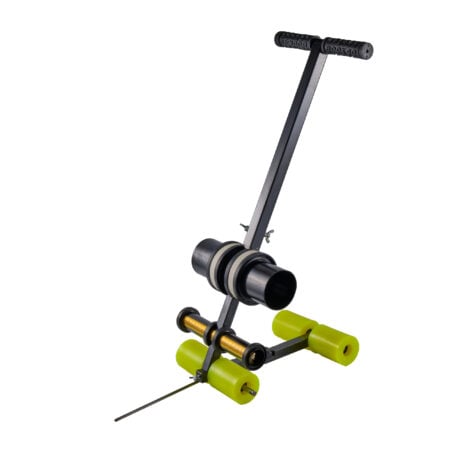
The Straight Line Tape Marker is a candidate for continuous straight masking runs where the floor and access allow it. Confirm tape roll dimensions, core, mounting, line-gap adjustment and start-stop control. Check whether joints, surface texture or changes of level affect tape contact. Hand work may be needed at ends and crossings. This machine places masking; a brush, roller or other application equipment must still be selected for the actual paint. Confirm fit before ordering tape or holders.
Use Curved Layout Only Where the Plan Needs It
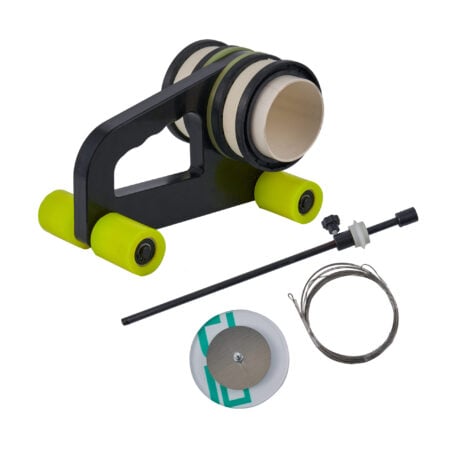
The Curved Line Tape Marker is conditional for approved arcs or turning boundaries. Confirm its centre or guiding method, adjustment and the required radius against the actual model. Inspect the two masking edges for wrinkles, lifting and a consistent exposed gap through the turn. Do not assume it can produce every symbol or freeform shape. Letters, chevrons, arrows and complex zones may require stencils or a separate masking method; identify that method separately when planning the work.
| Selection point | What to check |
|---|---|
| Approved arc | Use a curve only where the plan needs one. |
| Guide arrangement | Confirm the marker's actual guiding method. |
| Consistent gap | Check both masking edges through the turn. |
| Separate symbol method | Arrows or lettering need a separate method. |
Distinguish Masking from Permanent Marking Tape
Temporary masking defines the boundaries of a painted line and is removed at the stage specified by the coating method. Permanent floor marking tape remains as the visible line and has different service and adhesion requirements. Decide which finished marking system the facility needs before ordering, then confirm the selected tape marker's suitability for that system. Test temporary tape adhesion and removal on the actual floor finish, especially where an existing coating could lift.
| Selection point | What to check |
|---|---|
| Masking removed | Temporary tape defines the paint boundary. |
| Paint remains | Remove masking at the specified paint stage. |
| Permanent tape | Permanent tape forms the visible final line. |
| Different task | Confirm tool suitability for the chosen system. |
Follow Preparation, Masking and Paint Acceptance
Accept the substrate and approved layout, prepare the area under the paint specification and establish references. Lay tape, check exposed gaps and press edges as required. Apply the selected marking product with its specified method, remove masking at its required stage and inspect the finished line. Follow that product's curing and traffic-release requirements. When masking lifts, preparation is incomplete or a trial removes existing coating, stop and correct the cause before marking a large operational area.
Evaluate Placement, Edges and the Existing Floor
Choose an agreed straight section and a curve only if the facility plan needs one. Check the masked location and exposed gap before applying the selected paint. After its specified tape-removal and curing stages, inspect the line edges and existing coating and follow the required adhesion assessment. Bleeding calls for checking edge contact; peeling needs a coating review; a wrong location needs layout correction. Keep these findings separate in the trial record.
Related Products and Guides
Frequently Asked Questions
Can these tools spray industrial marking paint?
No. These tape markers place masking at the painted boundary. Select a brush, roller or other application equipment according to the marking paint's instructions.
Can I mark directly over an old painted floor?
Only after confirming the existing coating is sound and the chosen marking paint's preparation and compatibility requirements are met.
Are sports court and warehouse marking the same task?
They share some masking actions, but layout approval, coating suitability and finished-use requirements differ. Evaluate the actual project.
What information do you need for a wholesale quotation?
Send the product names or models, configurations, quantities and delivery destination. You can include mixing buckets, spreaders, spiked rollers and shoes in the same enquiry. The applicable quantity tier, packing details and order conditions will be reviewed for the selected items.
Can you customize the logo or packaging?
Send your logo artwork, preferred placement, packaging requirements and estimated order quantity. ARIK will review the available options for the selected tools and confirm the sample requirements, order conditions and quotation before production.
Can I request samples before a bulk order?
Include the models and configurations you want to evaluate, the intended application and the delivery destination in your enquiry. Sample availability, cost and shipping arrangements need to be confirmed for the selected items before an order is placed.
Get Your Quote Now
- Contact us for your personalized quotation.
- Save more with our direct pricing!
- Competitive wholesale prices.
- No middleman, better deals.

