
Running Track Removal
Browse This Page
Identify the Existing Track Construction
Record the original surface system where known and inspect representative cross-sections. A spray-coated rubber mat, sandwich polyurethane system, full pour system and prefabricated track do not present the same removal interface. STOCKMEIER's Stobitan system diagrams illustrate different layer builds. On site, identify the binder, granules, layers and supporting asphalt or concrete rather than assuming that a red surface is one material. Photograph the section and any areas where the bond has already failed.
Decide What Must Be Retained
Separate three objectives: remove a local failed patch, remove a selected wearing layer for refurbishment, or remove the complete synthetic system. A retopping project may retain the original base; full replacement exposes a different interface and can require a different sequence. Confirm the designer's approved endpoint, permitted damage and surface preparation requirements. Do not use a removal depth chosen only from the nominal track thickness without identifying the layers and the base condition.
| Selection point | What to check |
|---|---|
| Local repair | Define the local failed area. |
| Retop target | Identify the wearing layer for refurbishment. |
| Complete removal | State whether the complete system is removed. |
| Retained base | Agree the permitted condition of what remains. |
Match the Machine Mechanism to the Task
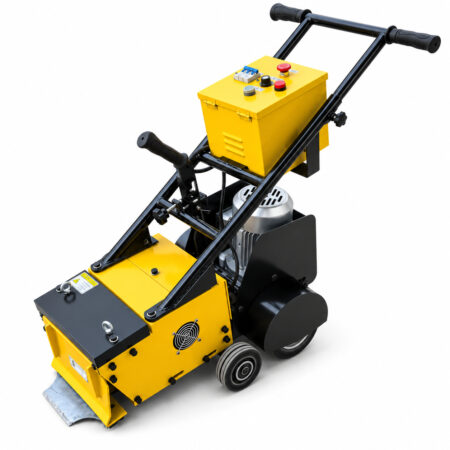
Review the Running Track Scraping Machine's actual mechanism, tooling arrangement, depth control and documented material range. Determine whether the proposed setup follows an interface or removes material through a layer. Compare that action with the cross-section and approved removal target. Include firmly bonded material in the trial, then inspect the retained base. A scraping product name alone cannot establish suitability for a polyurethane wearing layer, prefabricated sheet or bonded rubber mat.
Assess Access and Protect the Retained Structure
Plan machine unloading, access gates, turning space, slopes and the route across the facility. Identify drains, kerbs, embedded fixtures and adjacent areas that must remain. Review substrate loading and the proposed machine's handling requirements with the project team. Stage waste collection so it does not obstruct the next pass or contaminate retained layers. Outdoor work also needs the material and machine's permitted conditions; a dry-looking track alone does not settle suitability.
Use a Retopping Project to Define the Removal Scope
CONICA documents the refurbishment of Ostrava-Vítkovice stadium with CONIPUR M Retop. Its retopping guidance describes renewal of the wearing layer while retaining an existing base. That example is useful when deciding what your project must remove and preserve. Compare the approved refurbishment detail with your track section, then define the scraping trial. Machine mechanism, tooling and removal acceptance still need to match your own task.
Follow an Evaluation Sequence Before Production
Establish the accepted layers and endpoint, identify the proposed tooling, then perform a representative trial with the confirmed machine procedure. Inspect the removed material, remaining surface and any base damage. Include a worn area, a firmly bonded area and a detail where access changes. Agree whether another operation is needed to achieve the receiving system's acceptance condition. Continue only with a documented setup and endpoint; do not extrapolate from an easy delaminated patch to the whole track.
Investigate Tearing, Smearing and Base Damage
A layer peeling unpredictably may reveal a different bond condition than expected. Smearing or torn material calls for review of the mechanism, tooling and binder response. Damage to asphalt or concrete requires stopping and reviewing depth control and the chosen interface. Uneven removal can reflect layer thickness variation or substrate geometry. Record the failure before increasing pressure or cutting deeper. Removal appearance cannot establish that the retained track will meet a new system's performance requirements.
Confirm Consumables and Machine Identification
Provide machine model and tooling photos when requesting a blade, cutter or wear part. Confirm attachment geometry, material purpose and the manufacturer's replacement procedure. Ask for the operating manual, power identification, transport dimensions and included tooling before accepting a package. State the proposed trial material and removal target in the enquiry. Purchasing quantities and delivery details follow this technical review; no universal track compatibility or parts interchangeability should be inferred from the product name.
Related Products and Guides
Frequently Asked Questions
Does every worn track need complete removal?
No. A project may specify local repair or retopping that retains the original base. Have the surface assessed and define the accepted scope.
Can this machine remove all PU and rubber track systems?
That is unconfirmed. The exact track construction, mechanism, tooling and representative trial are needed.
What should I send for a track-removal review?
Send photographs of representative layer sections, the identified track system and the removal endpoint. State which base must remain, access and power conditions, and the trial area available. Add the selected machine, quantity and destination.
What information do you need for a wholesale quotation?
Send the product names or models, configurations, quantities and delivery destination. You can include mixing buckets, spreaders, spiked rollers and shoes in the same enquiry. The applicable quantity tier, packing details and order conditions will be reviewed for the selected items.
Can you customize the logo or packaging?
Send your logo artwork, preferred placement, packaging requirements and estimated order quantity. ARIK will review the available options for the selected tools and confirm the sample requirements, order conditions and quotation before production.
Can I request samples before a bulk order?
Include the models and configurations you want to evaluate, the intended application and the delivery destination in your enquiry. Sample availability, cost and shipping arrangements need to be confirmed for the selected items before an order is placed.
Get Your Quote Now
- Contact us for your personalized quotation.
- Save more with our direct pricing!
- Competitive wholesale prices.
- No middleman, better deals.

