Identify the Resin Layer Before Selecting Tools
Confirm the manufacturer, product code and layer function: primer, roller coat, self smoothing body coat, aggregate broadcast or seal coat. Include any functional requirement such as electrostatic control. These layers can use different application methods within the same floor. Establish substrate acceptance, moisture and environmental requirements through the resin maker's instructions. Do not apply cementitious self leveler water ratios or finishing assumptions to epoxy because both materials can be spread with a similar-looking tool.
Choose the Spreading Tool by Its Working Edge
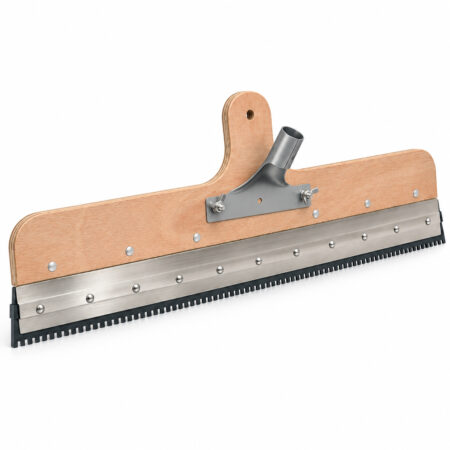
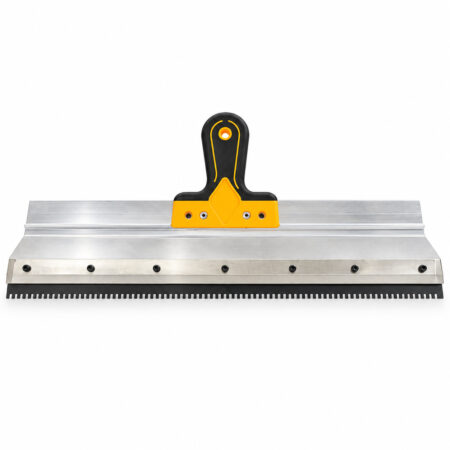
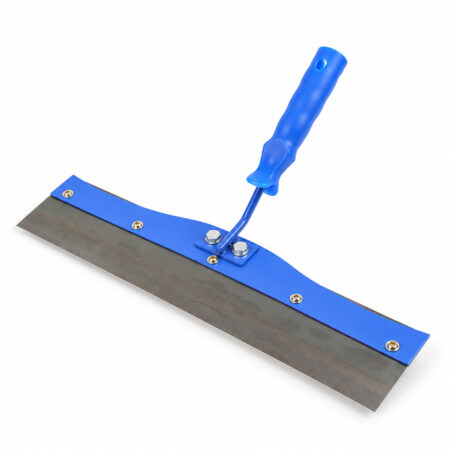
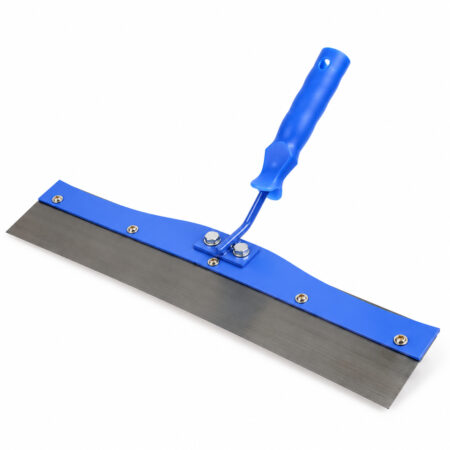
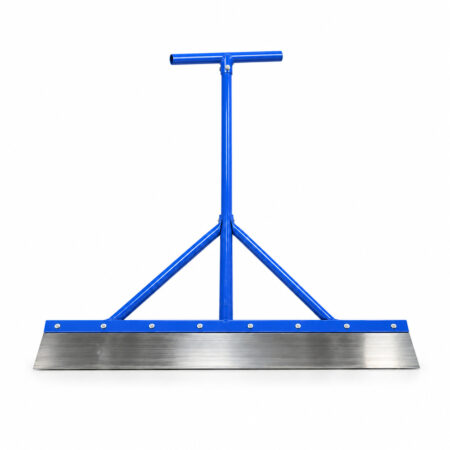
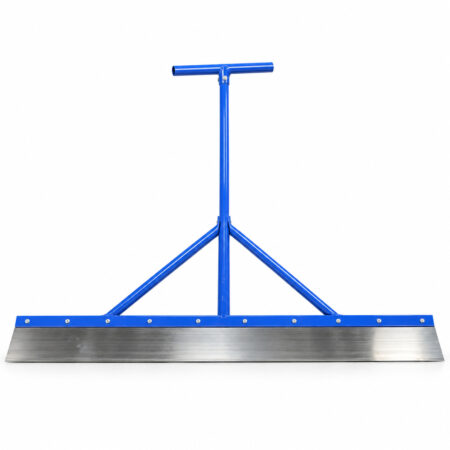
Wood Handle Squeegee e Plastic Handle Squeegee are candidates for the permitted spreading operation. Compare handle arrangement and control, then verify the blade type, width and actual holder. The Hand Spreading Tool is a candidate for edges, local areas and specified hand spreading. A handle material does not determine wet film thickness, resin compatibility or finishing quality. Choose the required working edge and the resin's application method before choosing the handle style.
Match Squeegee Blades to Both Holder and Resin
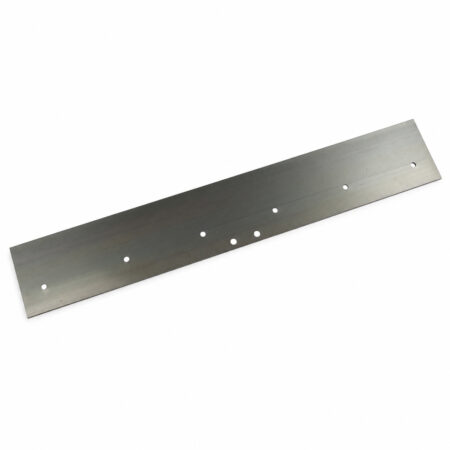
Squeegee Blades may serve as replacements or a different confirmed profile. Check fixing pattern, blade length, thickness, material and edge form. A notched edge meters differently from a straight rubber edge; do not assume either will produce the required layer without a verified application method. Include the target layer and coverage control method in the enquiry. A blade that fits mechanically still needs confirmation that it tolerates the resin and its specified cleaning method.
Choose the Finishing Method for the Named Resin
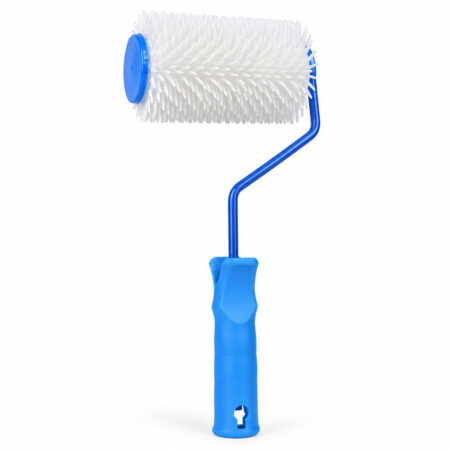
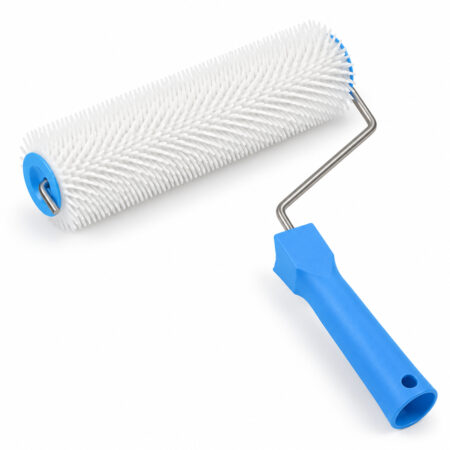
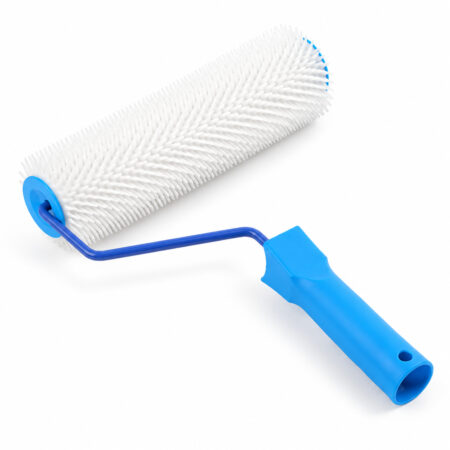
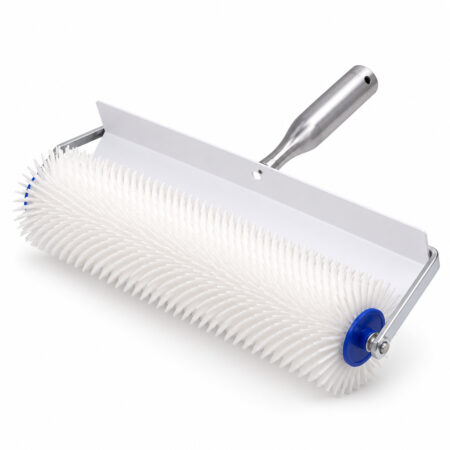
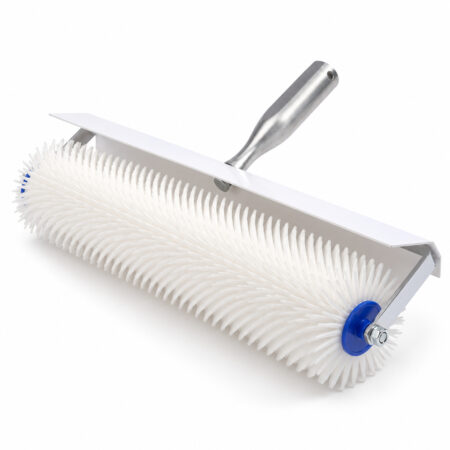
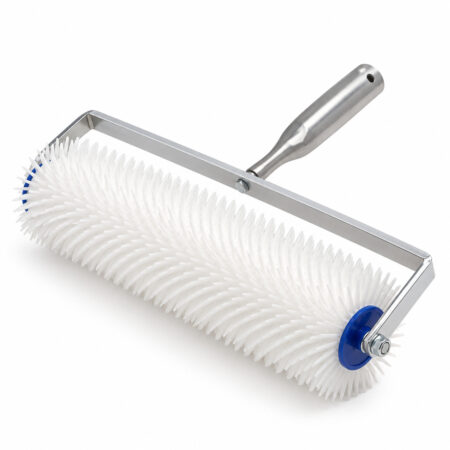
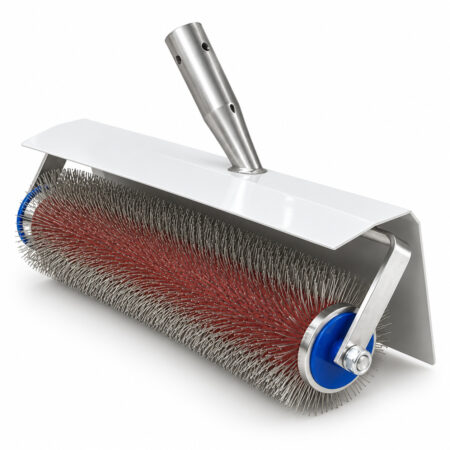
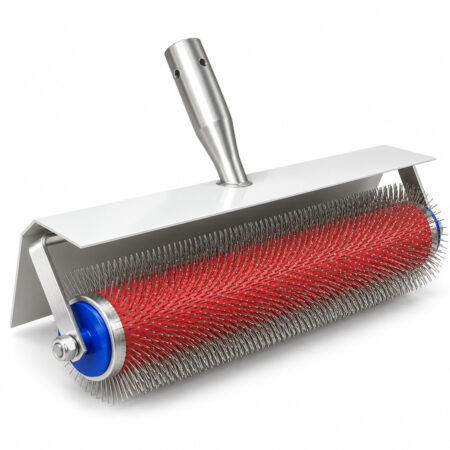
Check the layer's data sheet before adding Spiked Rollers. Sika's Sikafloor-263 SL N self-smoothing method uses spike rolling after spreading. Sikafloor-200 ESD describes a notched squeegee followed by conventional back rolling. The useful choice is the finish stage required by your resin. Confirm spike form and frame clearance for a layer that permits spikes; choose separate coating equipment when the specified method calls for it.
Explore Choose the Finishing Method for the Named Resin
Keep Spiked Shoes Conditional
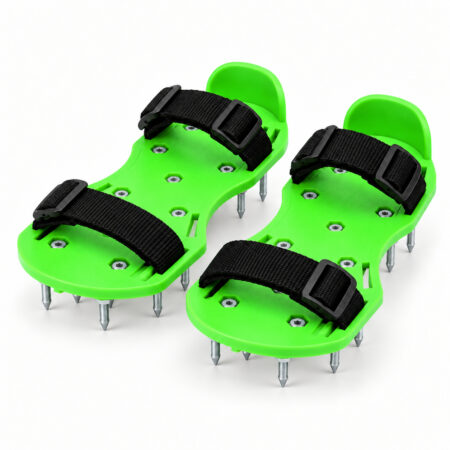
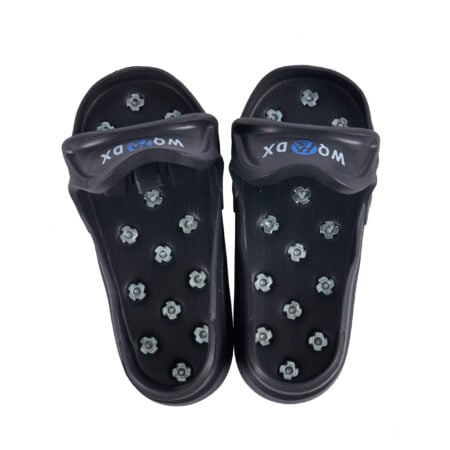
Scarpe chiodate can allow necessary access to a fresh resin layer where the system and method permit it. Verify spike length and material, fastening, footwear stability and the effect on the primer and wet layer. Plan the route so the installer can finish and leave without unnecessary passes. Footwear does not extend resin working time. Do not assume that the same shoes are suitable for a cementitious underlayment, a thin epoxy coat and a thicker self smoothing layer.
Plan the Work Around Mixing and Working Time
Use the resin system's mixing, component ratio and application instructions. Prepare the specified mixing and coating equipment before opening the mix, including anything needed beyond the spreading tools selected here. Distribute and spread the material within its workable period, complete the required finishing operation and protect the area during cure. If material thickens, trails or no longer closes tool marks, stop reworking that section and follow the resin maker's assessment procedure.
Read Bubbles, Ridges and Uneven Finish
Pinholes or bubbles may arise from substrate outgassing, mixing, timing or other system conditions. Ridges may involve the blade, material quantity or late finishing. An uneven sheen or colour can involve batch consistency and overlapping work. Investigate the stage and location of the defect before changing spike length or making more passes. Sika's ESD application instructions specifically caution against late or excessive back rolling. A spiked roller cannot be promised to remove every visible bubble.
Evaluate a Representative Bay and Confirm Parts
Use the actual resin, primer and layer build in a representative bay. Record tool, blade, spreading method and permitted spike operation. After the specified cure, assess finish, thickness control and defects using the project's acceptance method. For functional floors, retain the required specialist testing rather than substituting a visual check. Send blade mounting details, roller geometry, shoe construction and selected quantities. Keep requested consumables separate from supplied items; similar names do not confirm a mechanical fit.
Richiedete ora il vostro preventivo
- Contattateci per un preventivo personalizzato.
- Risparmiate di più con i nostri prezzi diretti!
- Prezzi all'ingrosso competitivi.
- Nessun intermediario, offerte migliori.